
Flooring Installation in Helena, MT
Floors take more punishment than any other surface in a house. In Helena that means snowmelt at the back door, gravel grit in winter, and dry indoor air that makes some materials shrink and gap. Rodriguez Painting provides flooring installation in Helena, MT, with four main options: tile, hardwood, epoxy, and garage floors. Each one is matched to the room it goes in.

What Type of Flooring Holds Up Best in a Montana Home?
Tile and epoxy-coated concrete hold up best in entries, mudrooms, bathrooms, and garages, where water, salt, and grit come in from outside. Hardwood is the better fit for living rooms, bedrooms, and dining areas that stay dry. Most homes end up with a mix, with each floor placed where it can last.
Kitchens and bathrooms see more steam and scrubbing than other rooms. A repaint gives them a fresh look and a finish that holds up to that use. Bathrooms in particular benefit from a finish that stands up to daily humidity. It's one of the quickest ways to change how a room feels without a remodel.
Flooring Options
Every material has a room where it shines and a room where it struggles. Here is how the four options compare.
Ceramic and porcelain tile do not absorb water, so melting snow and bath splashes wipe right up. Tile installation covers floors, showers, and backsplashes. It is the standard choice wherever moisture is part of daily life.
Wood adds warmth that no other floor matches. Hardwood flooring suits the main living spaces of a home, and it can be sanded and refinished years down the road instead of replaced.
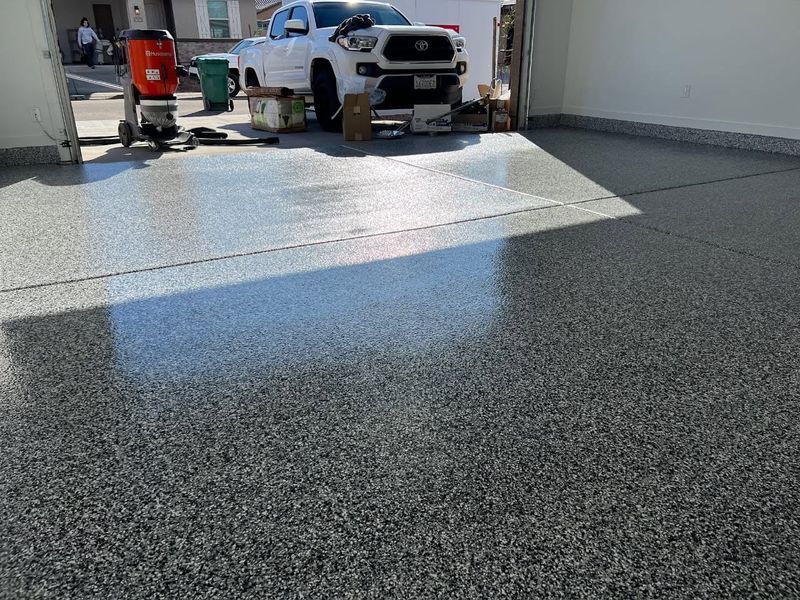
An epoxy coating bonds to concrete and cures into a hard, glossy surface that resists oil, salt, and chemicals. Epoxy flooring works in garages, basements, and workshops where a bare slab would stain and dust.
A garage slab handles vehicle weight, dripping slush, and de-icing salt all winter. Garage floor resurfacing repairs cracks, pits, and stains so the floor is sound before it gets a finish.
Renovations Around Helena
Most renovation work happens in Helena itself, with projects in East Helena, Boulder, and Townsend as well. If your home is outside those towns, a quick call will confirm whether it is within range. For everything else the business offers, visit the Rodriguez Painting home page.
Choosing Floors Room by Room
A quick guide for the rooms that come up most:
- Entryways and mudrooms: tile, for boots and snowmelt.
- Kitchens: tile for spill resistance, or hardwood if you want warmth and wipe up promptly.
- Bathrooms: tile, almost always.
- Living rooms, bedrooms, and dining rooms: hardwood.
- Basements: tile or epoxy over the slab, since below-grade concrete can carry moisture.
- Garages: epoxy, or a resurfaced slab sealed against salt.
Getting the Base Right
Every floor installation is only as good as what is under it. Subfloors are checked for level and for loose spots that squeak or flex. Concrete slabs, especially in basements, are checked for moisture before anything goes over them. Trapped moisture can lift tile, cup wood, and blister coatings.
One Business From Walls to Floors
New floors often come with other work. Walls get painted, baseboards get replaced, and drywall gets patched where old flooring met the wall. Rodriguez Painting is a flooring contractor that also handles painting and drywall, so the whole room can be finished in one project. Flooring also ties into other home renovation projects like kitchens and additions.
Flooring Around Helena
Flooring projects come from across Helena and from East Helena and Townsend. When you call, rough room sizes and the current floor type help shape the first conversation. For the full range of services, visit the Rodriguez Painting home page.
Drywall, From Small Holes to Full Rooms
Damaged walls show through any paint. A doorknob hole, a water stain, or a crack running out from a window corner all need fixing first. Drywall repair patches those spots so the wall reads as one smooth surface again. Some projects need new walls: a basement being finished, a wall being moved, a room being opened up. Drywall installation takes those from bare studs to a surface ready for paint. The work includes tape and bed on every seam and texture matched to the rest of the house, so new sections blend with the old. The same business hangs, finishes, and paints the drywall. There is no handoff between trades, and no question about who owns a seam that shows.
Flooring Installation FAQ
Should floors go in before or after painting?
Painting usually comes first, so drips and ladder feet do not mark the new floor. Baseboards are typically installed after the flooring and then given a final coat of paint. That way the trim sits tight against the finished floor surface.
Why does hardwood need to sit in the house before installation?
Wood expands and contracts with humidity. Letting it acclimate inside the home for about 3 to 5 days lets it adjust to the indoor air before it is nailed down. This matters in Helena, where winter heating makes indoor air very dry and unacclimated boards can shrink and leave gaps.
Can new flooring go over my existing floor?
Sometimes. Tile can go over a sound, flat, well-bonded floor in some cases. But each new layer raises the floor height, which affects door clearances, transitions to other rooms, and appliance fit. Old flooring that is loose, damaged, or uneven should come out first.
Which floors work with radiant floor heating?
Tile is the best match for radiant heat, because it conducts warmth well and does not react to temperature changes. Engineered hardwood also works with many radiant systems. Solid hardwood is more likely to shrink and gap from the heat underneath.
How soon can I walk on a new floor?
- Prefinished hardwood: usually walkable right after installation.
- Tile: the grout needs to cure, often 24 to 72 hours before regular traffic.
- Epoxy coatings: commonly about 24 hours before foot traffic and several days before vehicles.