
Drywall Installation in Helena, MT
Bare studs are where many home projects stall. The framing is up and the wiring is in, yet the room still is not a room. Rodriguez Painting installs new drywall across Helena, MT, and takes it all the way through. The board gets hung, the seams get taped and bedded, and the surface gets textured, leaving walls and ceilings ready for color.

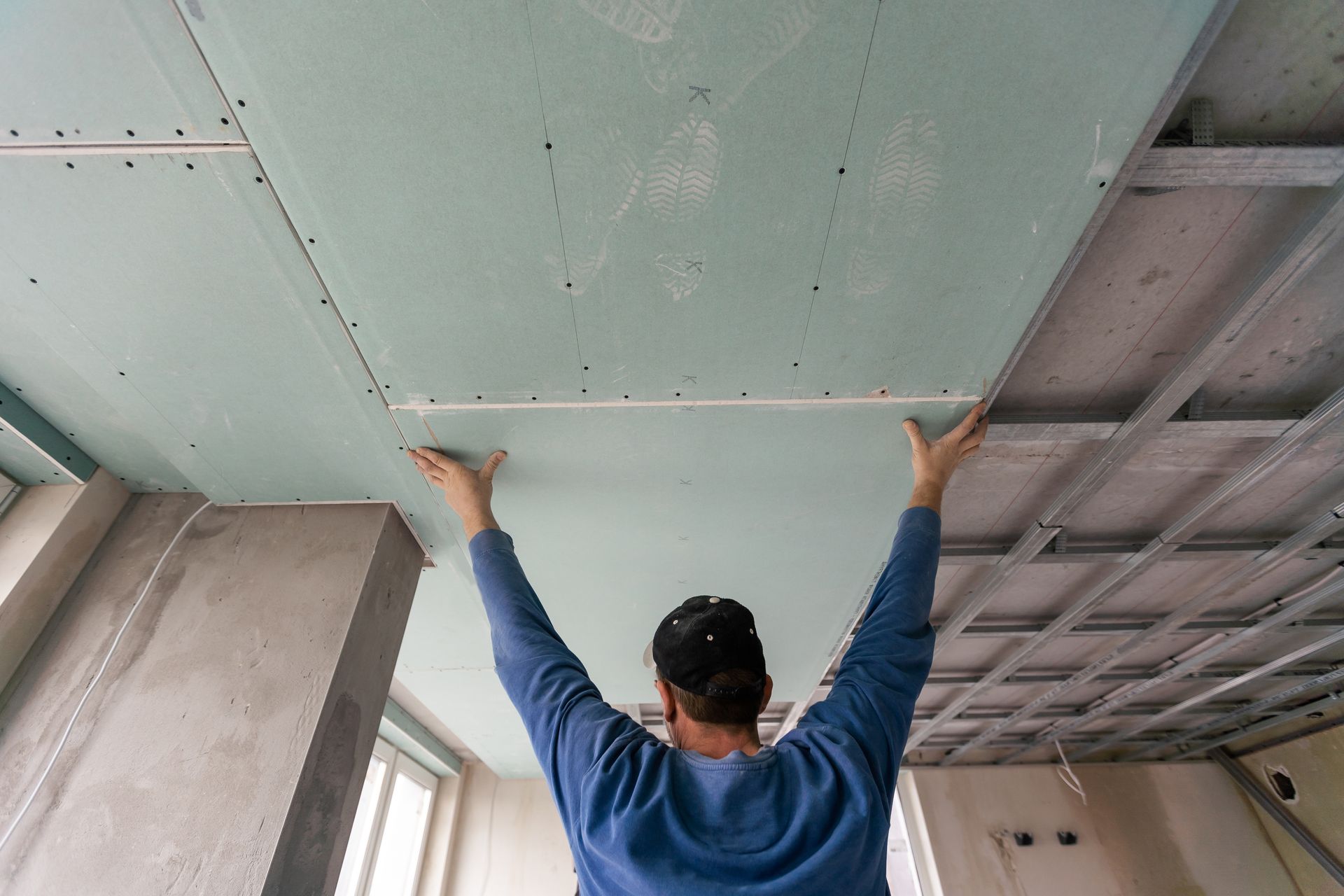
When a Project Needs New Drywall
Some jobs start from nothing. Others replace what is already there. The common ones include:
- Finishing an unfinished basement into living space
- Closing in an addition or a converted garage
- Rebuilding walls after a remodel moves or removes them
- Replacing large sections lost to water damage or mold cleanup
- Covering old plaster or paneling with a fresh surface
Each of these ends the same way: flat, solid walls with seams nobody can find..
Hanging the Board
Good drywall work is planned before the first sheet goes up. The layout matters. Using the largest practical sheets cuts down on seams, and fewer seams mean less finishing work and fewer places for a joint to show later. Ceilings typically go up first, so the wall sheets help support the ceiling edges. Joints are staggered so seams do not line up across a wall.
The type of board changes with the room. Moisture-resistant panels suit spaces with humidity, like laundry rooms and bathrooms. Areas that will be tiled need a backer made for that purpose. Standard board covers everything else.
Kitchens and bathrooms see more steam and scrubbing than other rooms. A repaint gives them a fresh look and a finish that holds up to that use. Bathrooms in particular benefit from a finish that stands up to daily humidity. It's one of the quickest ways to change how a room feels without a remodel.
Repairing Cracks and Damage
Cracks, pits, and spalled spots are filled before coating, so they do not telegraph through the finish. If the slab has heavier damage, garage floor resurfacing restores the surface first.
Tape and Bed: Where the Finish Is Made
Hanging the board is only half the job. Tape and bed is the stage that decides how the finished wall looks.
Taping the Seams
Every joint between sheets gets tape embedded in a bed of joint compound. Inside corners get folded paper tape. Outside corners get metal or composite corner bead, which protects the edge from dings.
Coating and Sanding
Coats of compound go on over the tape and the fastener heads. Each coat is feathered wider than the last and sanded smooth once dry. Rushing this stage is the reason ridges and seam lines show through paint later, especially under raking light from a window.
Renovations Around Helena
Most renovation work happens in Helena itself, with projects in East Helena, Boulder, and Townsend as well. If your home is outside those towns, a quick call will confirm whether it is within range. For everything else the business offers, visit the Rodriguez Painting home page.
Choosing a Texture
Texture is the last layer before primer, and it shapes how the room feels. Orange peel leaves a fine, slightly bumpy surface that hides small flaws. Knockdown is flatter and more pronounced, made by flattening sprayed compound with a blade. Smooth walls have no texture at all and demand the most careful finishing, since every imperfection shows.
In an addition or a partial remodel, new walls are textured to match the existing ones, so the new space reads as part of the original house.
One Business From Studs to Paint
The finished drywall can move straight into interior painting without bringing in another contractor or waiting on someone else's schedule. If only a section of an existing wall is damaged, drywall repair may be the better fit than hanging new board.
Installation projects come from Helena and from surrounding communities including Townsend and East Helena. You can see the full list of services on the Rodriguez Painting home page.
Drywall, From Small Holes to Full Rooms
Damaged walls show through any paint. A doorknob hole, a water stain, or a crack running out from a window corner all need fixing first. Drywall repair patches those spots so the wall reads as one smooth surface again. Some projects need new walls: a basement being finished, a wall being moved, a room being opened up. Drywall installation takes those from bare studs to a surface ready for paint. The work includes tape and bed on every seam and texture matched to the rest of the house, so new sections blend with the old. The same business hangs, finishes, and paints the drywall. There is no handoff between trades, and no question about who owns a seam that shows.
Drywall Installation FAQ
What size and thickness of drywall is used?
Standard sheets are 4 feet wide and come in 8, 10, and 12 foot lengths. Longer sheets mean fewer end joints on long walls. Half-inch board is common for walls. Five-eighths-inch board is often used on ceilings because it resists sagging between joists.
What does "tape and bed" mean?
It is the finishing stage after the drywall is hung. Tape is pressed into a bed of joint compound over every seam. It is then covered with additional coats that are feathered out and sanded, which hides the joints and fasteners so the wall looks like one continuous surface.
How long does installation take?
Hanging can move quickly. Finishing sets the pace. Standard joint compound usually needs around 24 hours to dry between coats, and most finishes take at least three coats over the tape. Humidity and cool temperatures add drying time, so a room commonly spans several days from hanging to texture.
What is a drywall finish level?
The industry grades finishes from Level 0 to Level 5. Level 4 is common for walls that will be painted with a flat or eggshell sheen. Level 5 adds a thin skim coat over the entire surface for smooth walls, glossy paint, or rooms with strong side lighting.
Can new drywall match my existing walls?
Yes. The new surface gets the same texture pattern, whether orange peel, knockdown, or smooth. Primer then evens out how the new and old surfaces absorb paint, so the two sections finish to the same appearance once painted.